


We asked the HYOJO Science Lab about tips for facial muscle training and how to use facial beauty devices correctly.
Have you ever been shocked by the sagging of your face when you see it on the monitor during an online meeting? Sagging is a condition where the facial muscles thin, causing the fatty tissue and other materials on top to "ablament." While muscle mass decreases with age, stimulating the muscles can be like "muscle training," helping to care for sagging. We spoke with Ms. Ito, who is in charge of research and development of facial beauty devices at Ya-Man's Facial Muscle Research Institute.
Key Takeaways
Three facial muscle groups shape how your face looks: the zygomaticus major and minor (the cheek "lift muscles"), the orbicularis oculi (around the eyes) and the orbicularis oris (around the mouth).
Sagging happens when these muscles become thinner and can no longer support the fatty tissue above them.
Training adds only about 0.1–0.2 mm of muscle, but that small gain makes a big difference to your expression.
Sagging happens when these muscles become thinner and can no longer support the fatty tissue above them.
EMS (Electrical Muscle Stimulation) targets specific muscles with a weak electric current. Using it 10 minutes a day, 5 days a week builds muscle thickness, and some people notice results in about two weeks.
Placement matters: avoid the masseter (jaw muscle), and use EMS on skin moistened with an oil-free gel or lotion.

About our expert
Miina Ito
YA-MAN HYOJO Science Lab
Miina Ito works on the research and development of facial beauty devices at YA-MAN. Drawing on extensive data on test participants' muscle movement and skin, she primarily runs tests that verify how the electrical energy used in beauty technologies affects sagging.
01: Which Facial Muscles Cause Sagging and Wrinkles?
Of the more than 20 types of muscles in the face, only a few determine how your face looks. The three that matter most are the zygomaticus major and minor (cheeks), the orbicularis oculi (around the eyes) and the orbicularis oris (around the mouth).
"The muscles in the face are the ones we use to move it, like blinking or moving our mouth, and together they are called the 'facial muscles' (muscles of facial expression). However, only a few of them determine how your face looks.

The muscles that lift the cheeks are the zygomaticus major and minor, which YA-MAN calls the 'lift muscles.' These muscles pull the corners of the mouth up to create a smile.
The orbicularis oculi controls puffiness and wrinkles around the eyes, while the orbicularis oris keeps the mouth moving smoothly and forms the foundation that prevents sagging. Consciously moving these three muscles trains the facial muscles that matter most," says Miina Ito of YA-MAN's HYOJO Science Lab. On the other hand, one muscle is better left alone: the masseter, the jaw muscle used for chewing.
"When the masseter becomes overdeveloped, the face can look wider and the jawline squarer, so this is a muscle you don't want to work too much. The masseter is also the muscle that Botox is used to relax in order to relieve jaw clenching."
02: Why Does Facial Skin Sag?
Facial skin sags when the muscles underneath it become thinner and can no longer hold up the fat-containing tissue above them, so that tissue droops.
"Beneath our skin is subcutaneous tissue containing fat cells, and beneath that are the muscles. The muscles act as a foundation that supports the skin, but when they become thinner, they can no longer hold up the subcutaneous tissue, which then droops and sags. When the zygomaticus major and minor thin out, the cheeks drop and sag, and nasolabial folds start to form," explains Miina Ito.
"Most of the muscles beneath the skin are only about 2–5 mm thick. You can see them with an ultrasound, though in people with thin muscles they may not be visible at all. Training increases them little by little, by about 0.1–0.2 mm. But even that small gain in muscle makes a big difference to your expression."
Training a facial muscle simply means moving it. For example, laughing and talking both move your facial muscles.
"On the other hand, if you tend to keep a blank expression or rarely get the chance to talk, your lift muscles will steadily weaken. Making a habit of smiling is a workout for your facial muscles. Try flashing a big grin as if bringing the outer corners of your eyes and the corners of your mouth closer together, then relax. Repeating this movement works the zygomaticus major and minor."


A weakened orbicularis oculi can also make it harder to open your eyes.
"Try opening your eyes wide. If your forehead rises along with them, that's a sign you aren't using your orbicularis oculi. Forehead wrinkles form more easily and your eyelids start to feel heavier. Squeezing your eyes shut tightly and then opening them wide is a good workout for the orbicularis oculi."
The orbicularis oris is the muscle that moves the mouth, and when it weakens, it can also make you look older.
"A weakened orbicularis oris makes it harder to lift the corners of your mouth and can dull the color of your lips. Your speech may become less clear, and smiling becomes more difficult. Repeatedly puckering your lips, pushing them forward and then relaxing them works the orbicularis oris."
Quick reference: simple exercises for each facial muscle
Zygomaticus major and minor (cheeks): Grin widely as if bringing the outer corners of your eyes and mouth together, then relax. Repeat.
Orbicularis oculi (eyes): Squeeze your eyes shut tightly, then open them wide.
Orbicularis oris (mouth): Pucker your lips, push them forward, then relax. Repeat.
With any of these exercises, it's important to consciously keep at them every day, but Ito recommends facial muscle training with EMS. The electrical current reaches exactly the muscle you want to stimulate, so you can also expect a lifting effect.
How does EMS Train Muscles?
EMS (Electrical Muscle Stimulation) trains facial muscles by sending a weak electric current through them, which makes the muscles move on their own, including muscles you rarely use.
"By sending a weak electric current through the muscles, it stimulates them and makes them move involuntarily. This lets you care for facial muscles you don't usually use much. A distinctive feature of YA-MAN's EMS is that the electrodes deliver a wide variety of electrical stimulation so the muscles don't get used to it. For example, there's a 'tap-tap-tap' sensation like being tapped, and a sensation like your muscles are rippling. Because the movement isn't uniform, it can approach the muscles in many different ways."
As muscle mass increases, skin firmness improves too, so the benefits of EMS go beyond just caring for sagging.
03: Facial Muscle Training FAQ: Expert Answers from Miina Ito
Q: Can an EMS facial device cause sagging by overworking the skin?
A: No. EMS works on the muscles, not the skin, so it doesn't overwork the skin
"Overtreatment can put excessive strain on the muscles, but there's no problem as long as you follow the instructions for use. In fact, muscles weaken when they aren't used, so make a conscious effort to move them."
Q: How long does facial muscle training take to show results?
A: Training with EMS for 10 minutes a day, 5 days a week builds muscle thickness, and some people have noticed results in as little as two weeks.
"If you're looking to reduce puffiness, you'll notice it even sooner. Rather than just looking in the mirror, we recommend taking a photo with a neutral expression so you can compare before and after. You'll find it easier to smile, too."
Q: Does facial muscle training still work after age 50?
A: Yes. Facial muscles can be trained at any age.
"In fact, the older you get, the more important it is to take care of them. It's also important not to lose muscle. If you make facial muscle training a habit from around your 30s, you can build up 'muscle savings' and maintain your muscle mass."
Q: Is EMS more effective than face yoga?
A: Both can deliver results if you're consistent, but EMS is easier to keep up and can target specific muscles directly.
"With either method, consistency is key. Face yoga and similar exercises can deliver results, but EMS is easier to keep up. Another advantage of EMS is that the electrical stimulation reaches the muscles directly, so you can target specific muscles in your training."
Q: What daily habits weaken the facial muscles?
A: Laughing and talking less, staring at screens for long periods and clenching your teeth all affect your facial muscles.
"In a dull routine, you laugh and talk less, so you could say your lift muscles and orbicularis oris barely move at all. Also, when using a computer or smartphone you stare at one spot for long periods, so the orbicularis oculi doesn't get used much. If you tend to clench your teeth, you end up training the masseter, so try to stay relaxed."
04: Where Should You Place an EMS Facial Device?
Place an EMS facial device directly over the muscle you want to train: along the line from the corners of the mouth to the tops of the ears for the cheeks, between the outer corner of the eye and the temple for the eye area, and beside the corners of the mouth or under the nose for the mouth area.
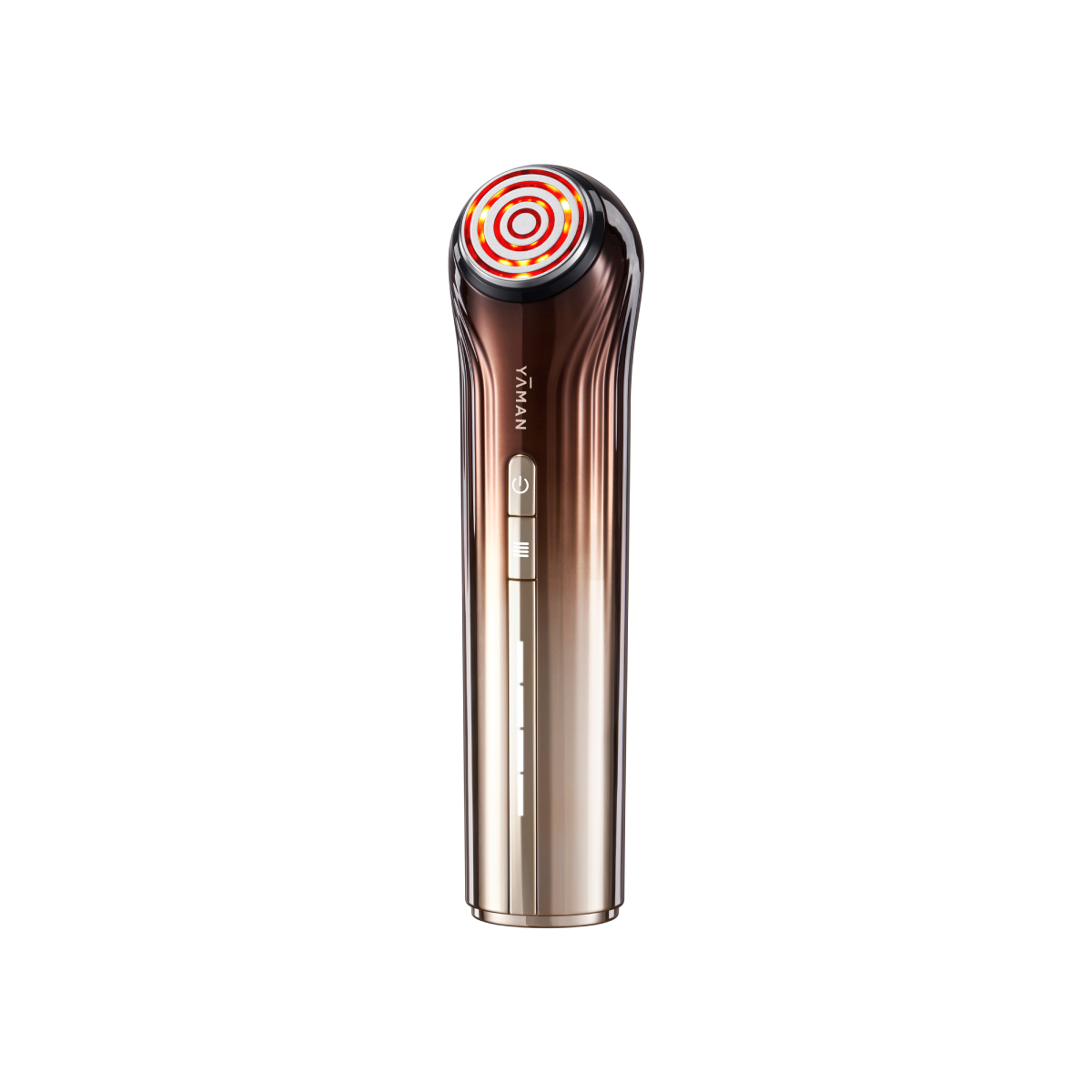
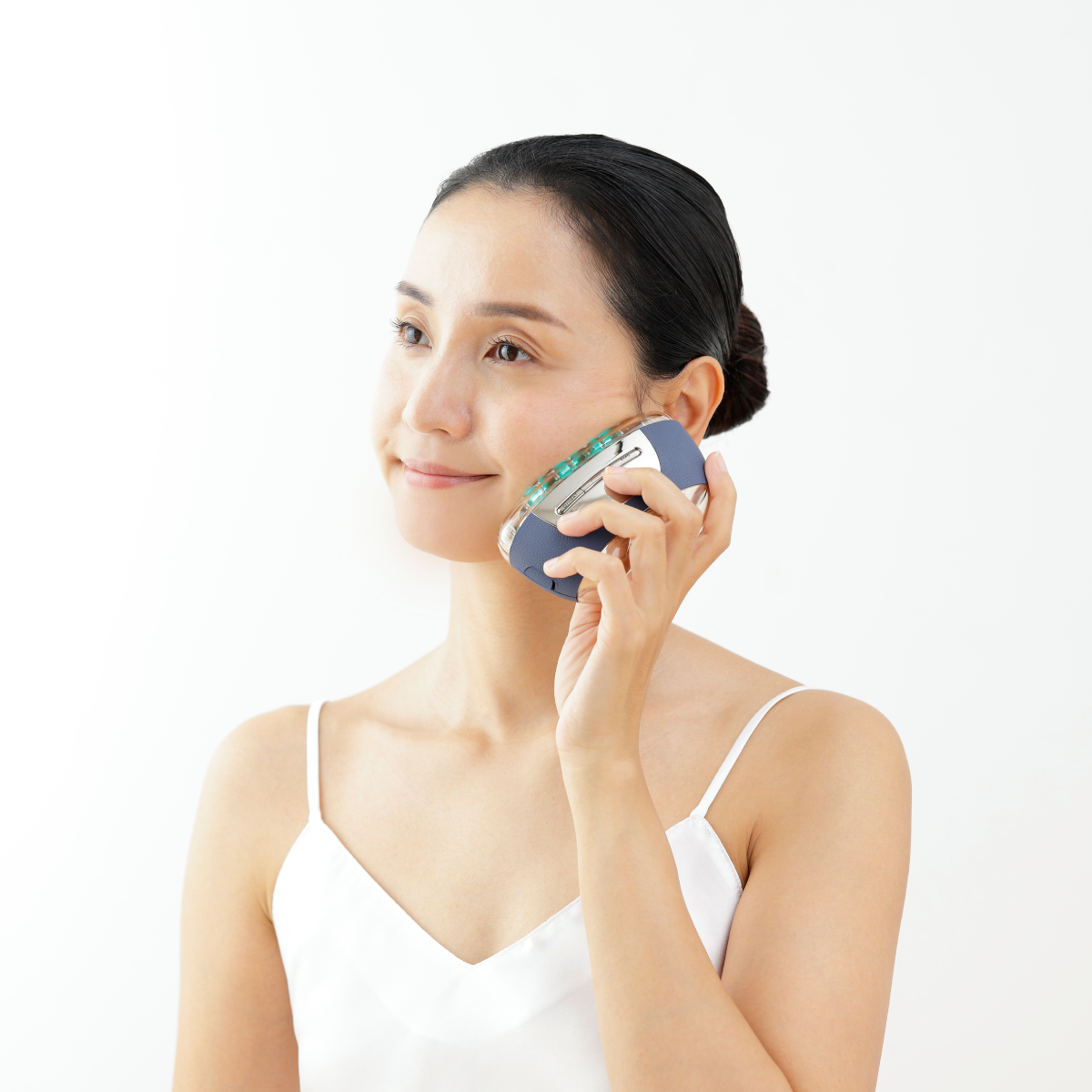
Remember the facial muscle diagram from the beginning of this article? What matters is properly targeting the muscles you're aiming for, and EMS makes that possible. Using Liftlogy, YA-MAN's EMS facial device specializing in lift-up care*, Miina Ito explained the correct positions.

EMS Placement Guide by Facial Muscle
Zygomaticus major and minor (cheeks)
Place the facial device along the line connecting the corners of your mouth to the tops of your ears.
"Be careful not to stimulate the masseter, which runs from in front of the ear toward the neck. It sits right next to the zygomaticus major and minor, so make sure you learn exactly where it is."

Orbicularis Oculi (Around the Eyes)
The orbicularis oculi muscle is donut-shaped, so stimulating any part of it will stimulate the entire muscle, but it's recommended to place the EMS device between the outer corner of the eye and the temple.

Orbicularis Oris (Around the Mouth)
You can stimulate anywhere around the mouth, but the area beside the corners of the mouth is the easiest to target.


Before you start: always use EMS on wet skin.
"EMS can't work at full power unless the skin is wet. Use it after thoroughly moistening your skin with a dedicated gel or lotion. However, oil-rich emulsions make it harder for electricity to pass through, so choose an oil-free product."

Summary: How to Get the Most from Facial Muscle Training
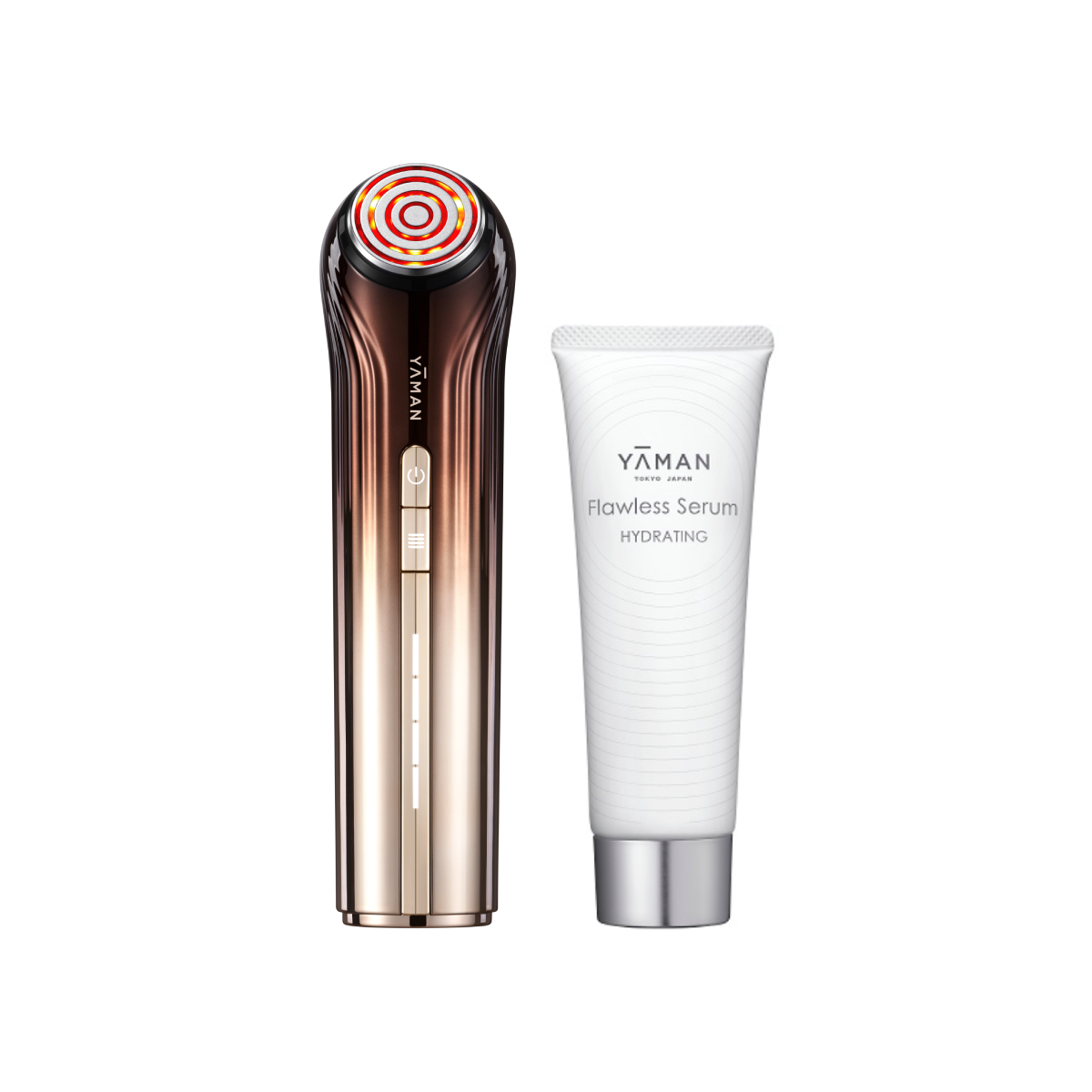
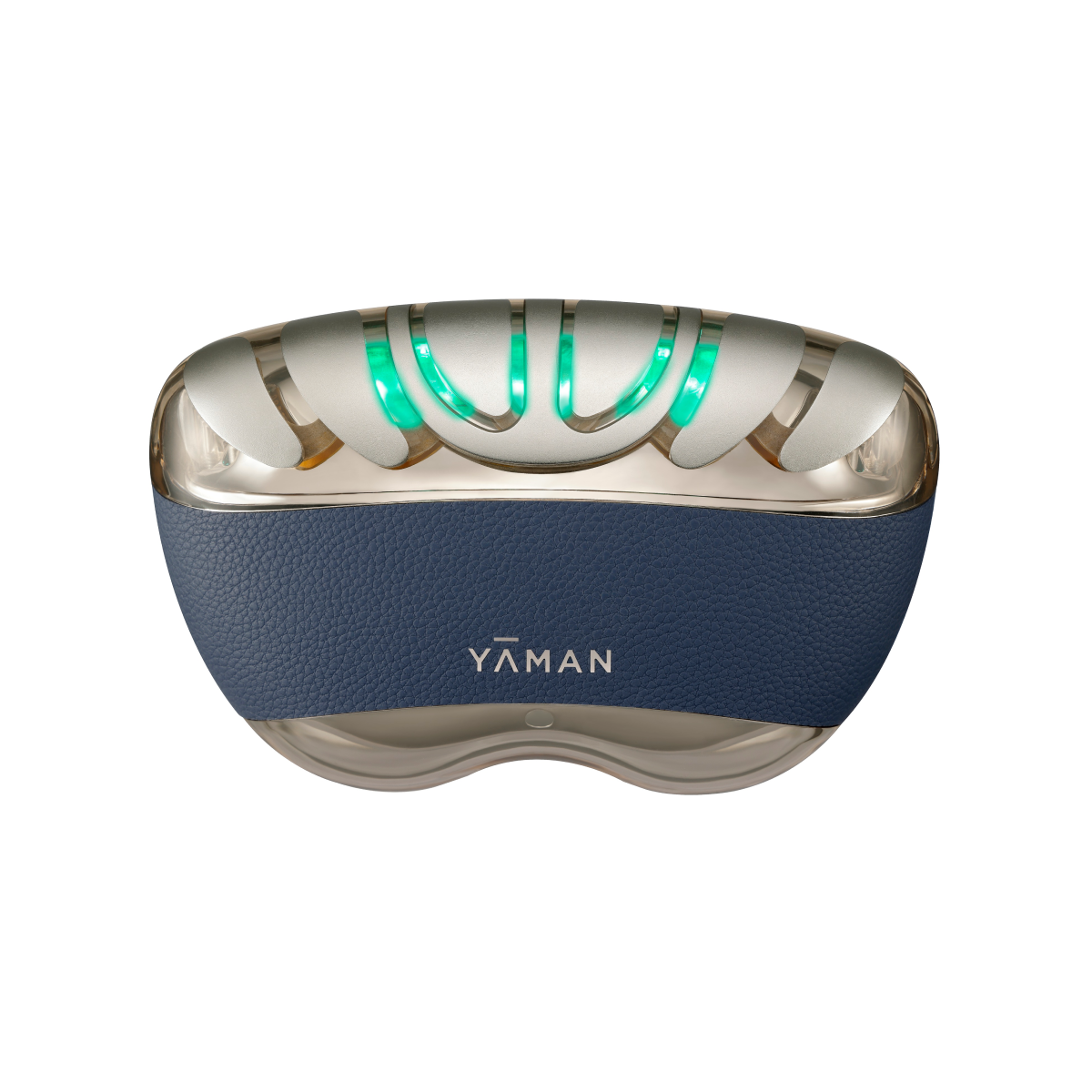
To train your facial muscles, it's most effective to pinpoint the specific muscles you want to target. Recommended YA-MAN facial devices include:
Liftlogy: quick care with powerful EMS
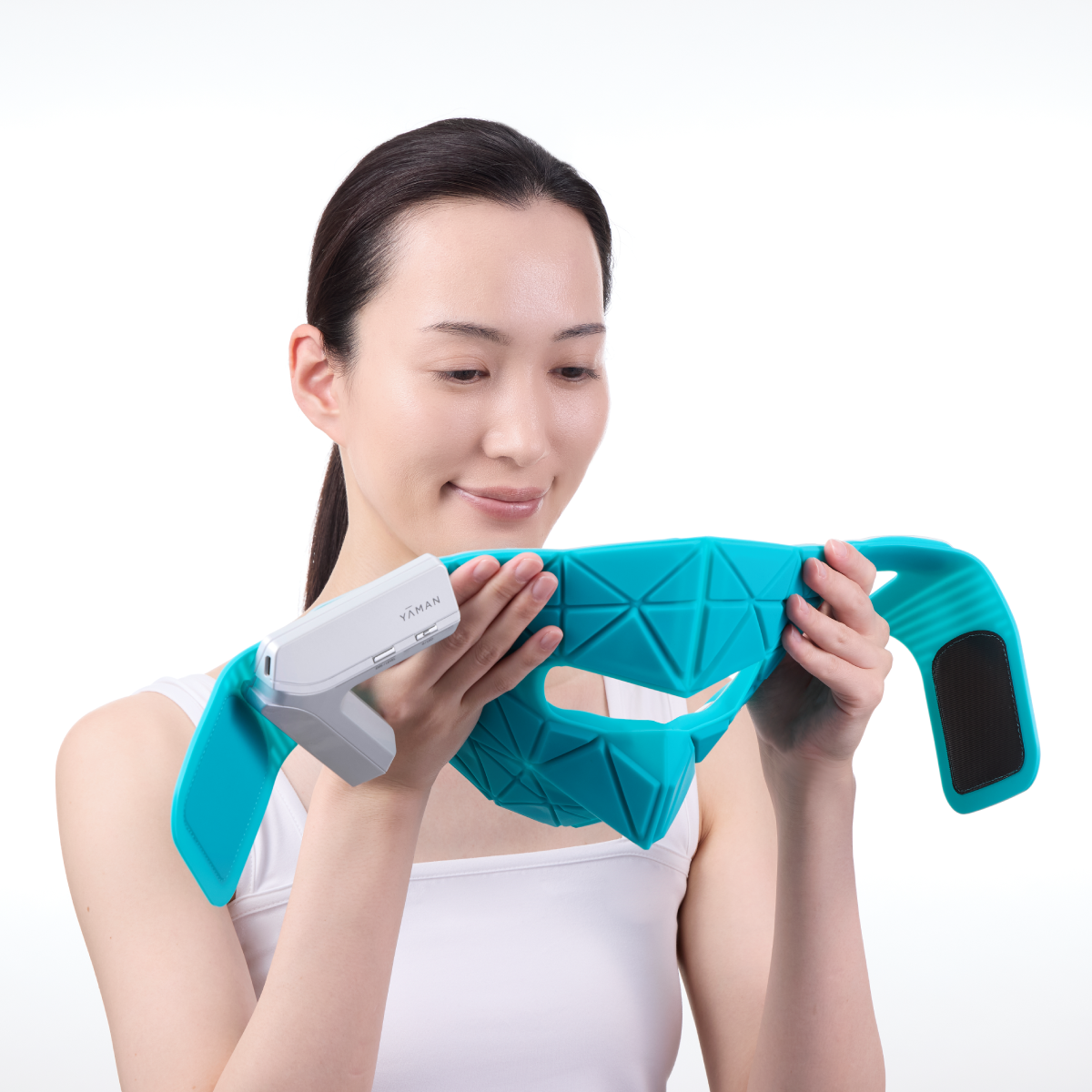
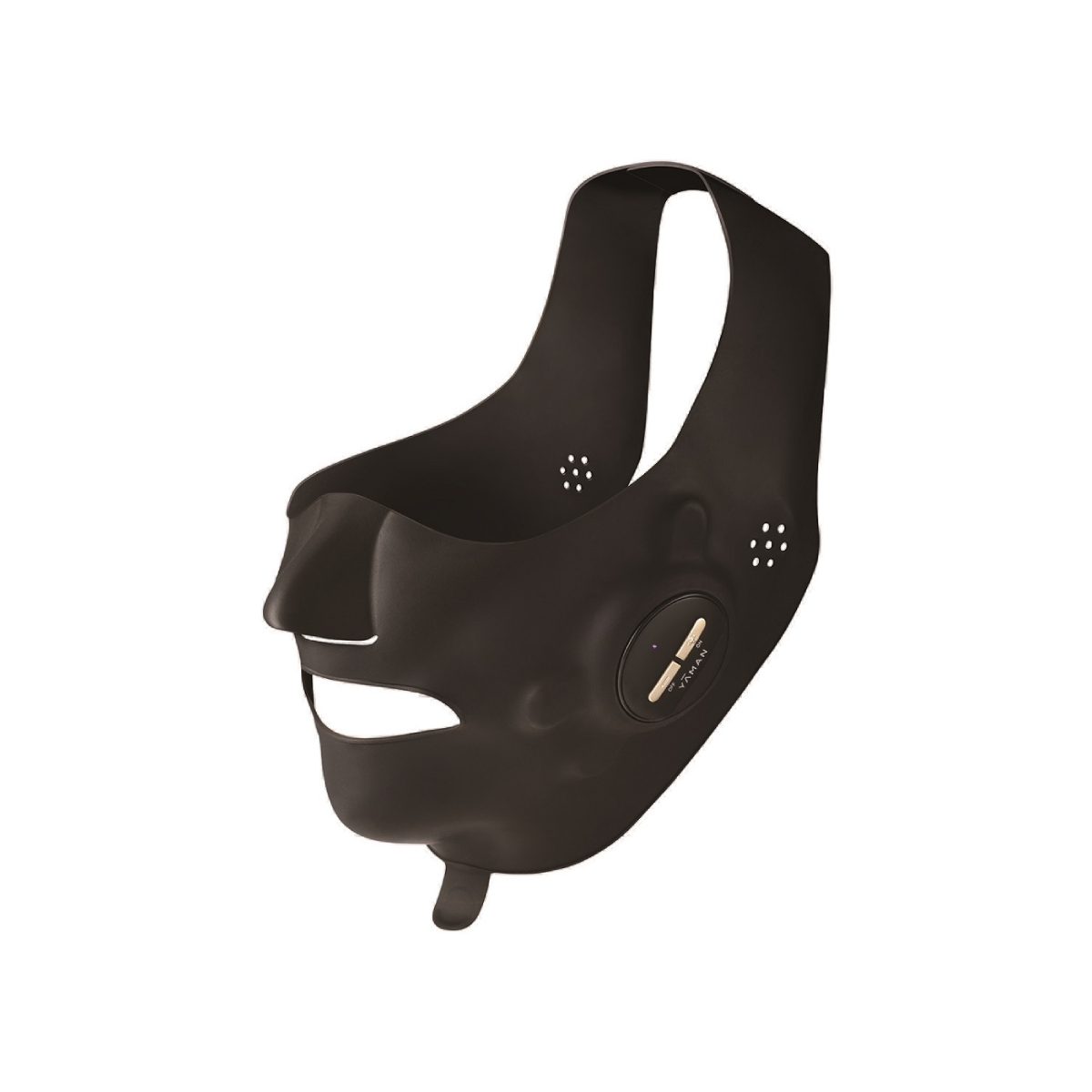
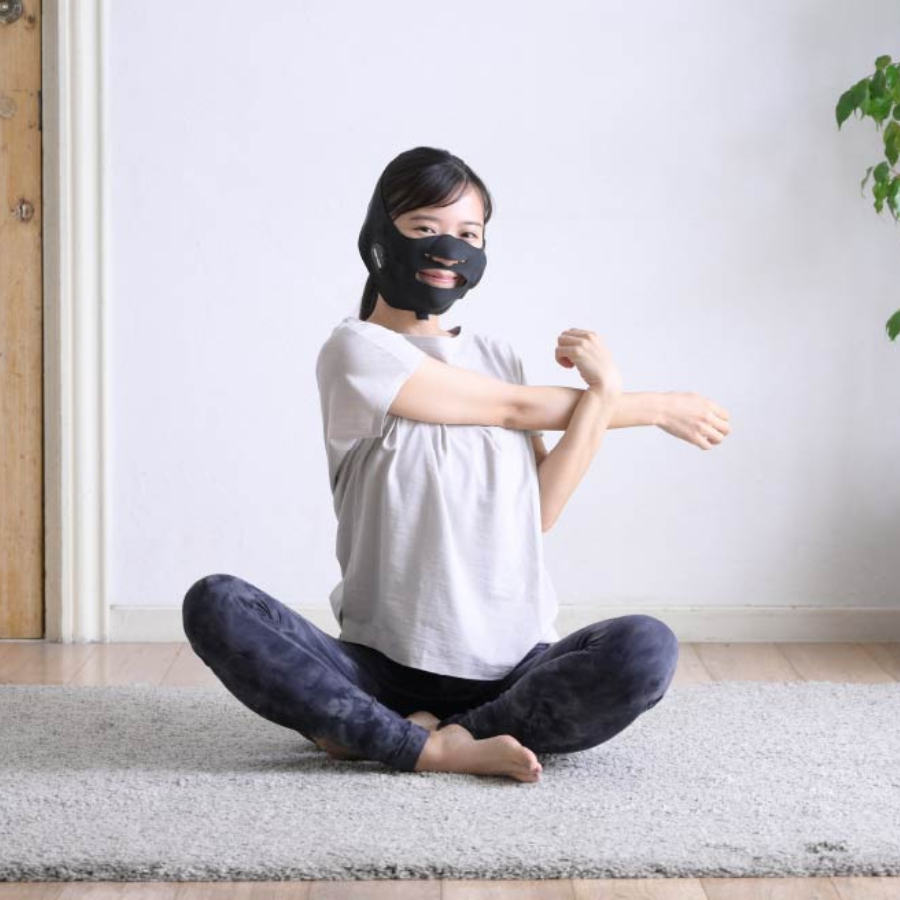
Blue Green Mask Lift: reaches the target muscles just by wearing it, even if you aren't sure where they are
Design Lift More or WAVY Needle Lift Pointer: focused care for specific areas such as around the eyes or mouth
Choose the one that suits your lifestyle and needs, and keep it up. You'll be amazed at how your look changes.